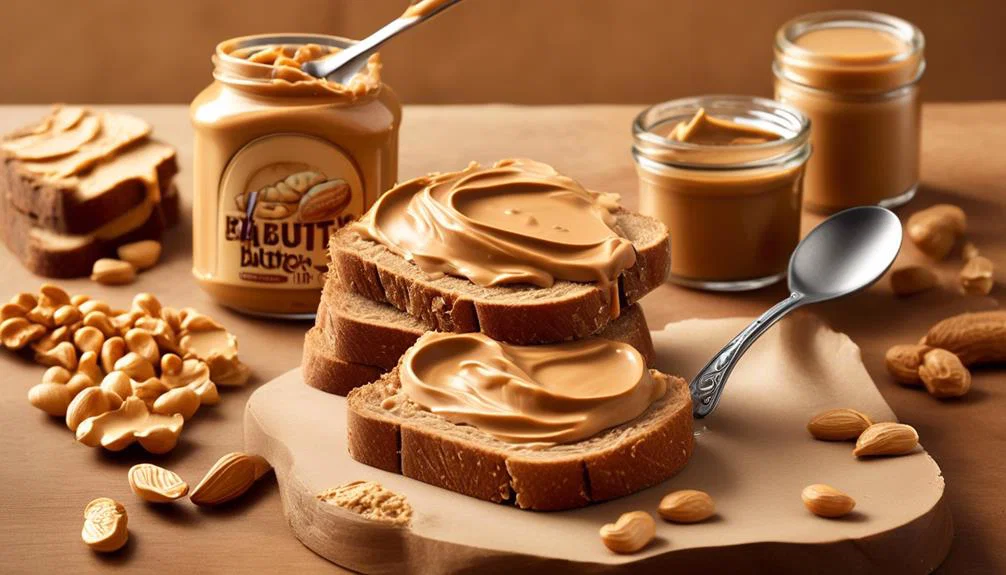
Peanut Butter
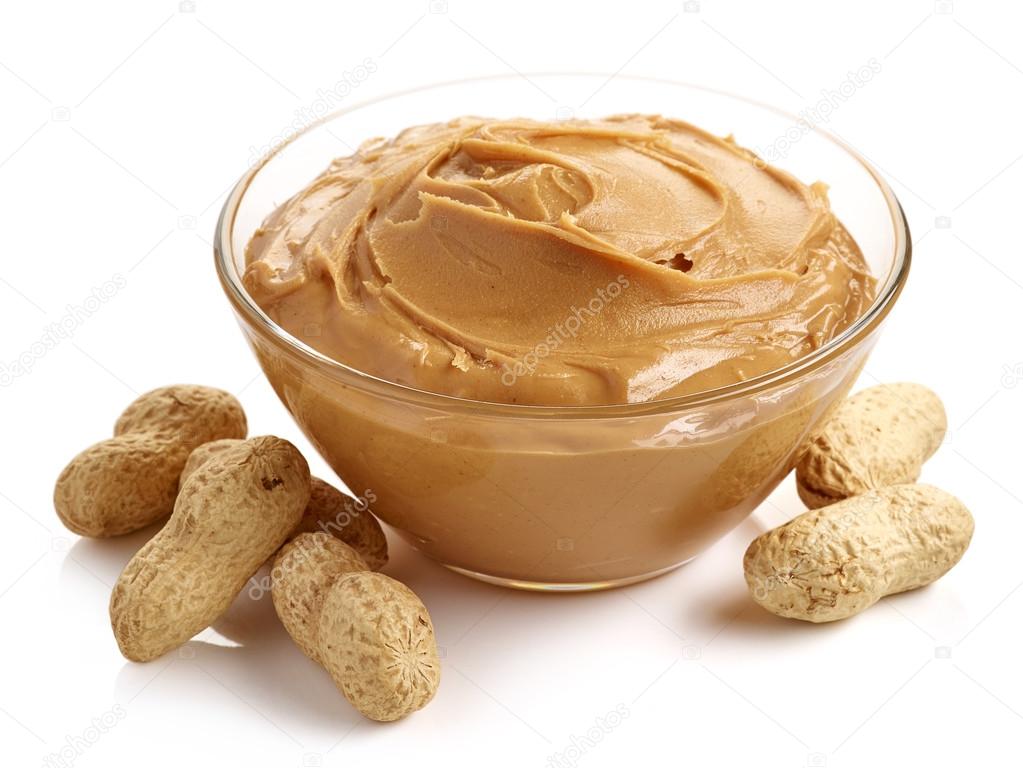
1. Peanut butter is a semi-solid food product obtained by grinding roasted peanuts (Arachis hypogaea). It may contain added ingredients such as salt, sugar, stabilizers, and emulsifiers to improve texture, flavor, and shelf life.
2. Types of Peanut Butter
Creamy (Smooth): Fine, homogeneous texture.
Crunchy: Contains small peanut granules
Natural: No stabilizers; oil separation may occur. Flavored/Processed: Chocolate, honey, etc.
3. Raw Material Requirements:
Sound, mature peanuts free from mold, insects, and rancidity. Aflatoxin within permissible limits (FSSAI/Codex).
4. Manufacturing Process:
Cleaning → Shelling → Grading → Roasting (160–180°C) → Cooling → Blanching → Grinding → Mixing → Homogenization → Packaging
5. Key Physico-Chemical Parameters:
Moisture ≤ 2.0%. Fat 45–55%. Protein 20–30%. FFA ≤ 1.5%. Peroxide Value ≤ 10 meq O2/kg Aflatoxin: As per limits
6. Microbiological Standards
Total Plate Count As per limits. Yeast & Mold: Acceptable levels. Salmonella: Absent E. coli: Within limits
7. Contaminants & Safety
Aflatoxins (B1, B2, G1, G2) critical. Pesticide residues within MRL. Heavy metals within permissible limits
8. Nutritional Profile
Energy ~580–600 kcal/100 g. High fat (unsaturated). Protein ~25 g/100 g. Vitamins: E, B-complex. Minerals: Mg, P, K
9. Common Quality Defects
Oil separation, rancidity, off-flavor, microbial spoilage
10 Applications
Spread, bakery, confectionery, and protein foods.