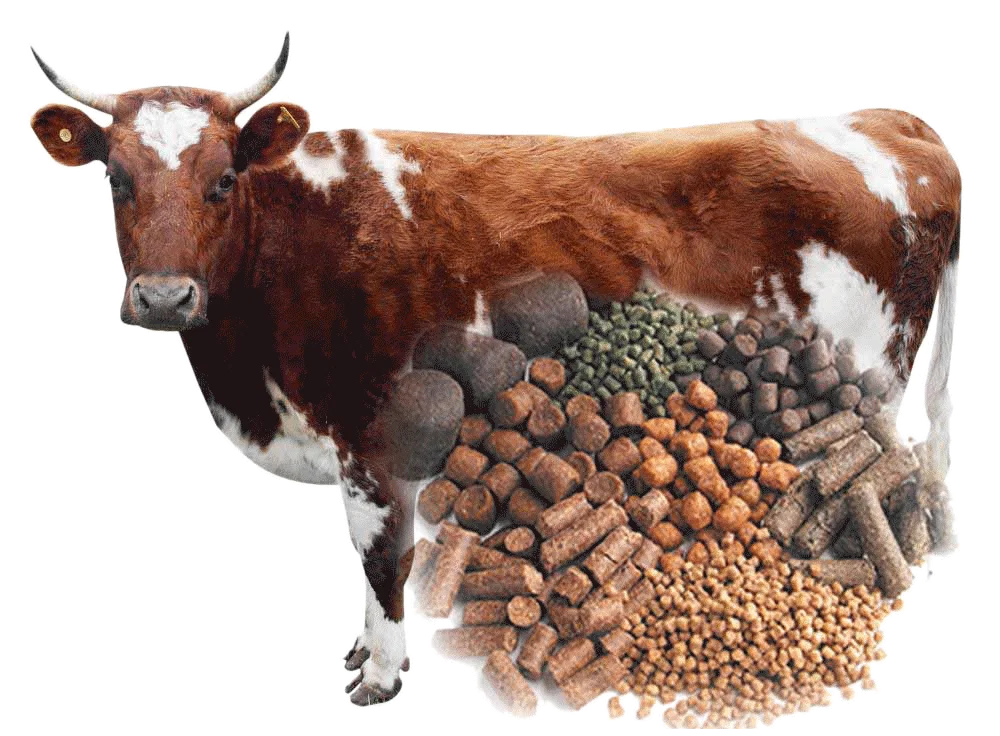
Animal / cattle / poultry Feed
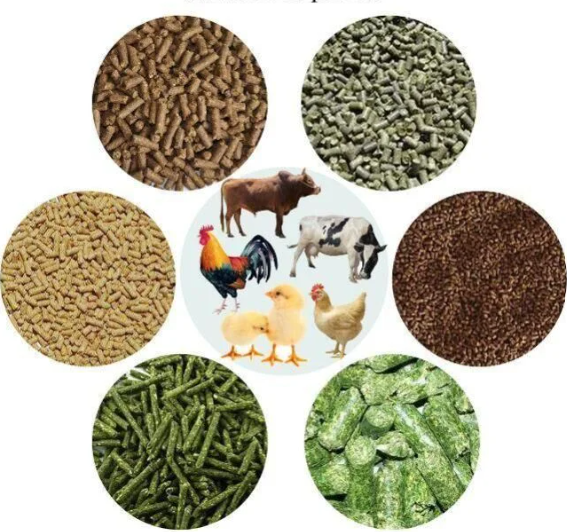
Animal feed is a formulated mixture of raw materials and additives designed to meet the nutritional requirements of livestock such as cattle, buffalo, sheep, goats, poultry, and aquaculture species. Balanced animal feed is essential for growth, reproduction, health, productivity, and overall farm profitability.
Types of Animal Feed
• Concentrate Feed: High in energy and protein (grains, oilseed meals)
• Roughage: High fiber feed (hay, straw, silage, green fodder)
• Compound Feed: Complete feed containing all nutrients in a balanced proportion
• Supplement Feed: Minerals, vitamins, amino acids, and feed additives
Common Feed Ingredients
• Energy Sources: Maize, wheat, barley, sorghum, rice bran
• Protein Sources: Soybean meal, groundnut cake, cottonseed meal, fish meal
• Minerals: Limestone, dicalcium phosphate, salt
• Additives: Vitamins, enzymes, probiotics, antioxidants, toxin binders
Key Nutritional Parameters
Moisture, Crude Protein (CP), Crude Fat (Ether Extract), Crude Fiber, Ash, Acid Insoluble Ash, Calcium and Phosphorus, Energy Value (TDN/ME)
Quality and Safety Parameters
• Mycotoxins (Aflatoxin, Ochratoxin, Fumonisin)
• Microbiological quality (Salmonella, E. coli)
• Heavy metals (Lead, Cadmium, Arsenic)
• Pesticide residues
Conclusion
Quality animal feed ensures optimal animal health, improved productivity, efficient feed utilization, and reduced disease risk. Regular testing of nutritional and safety parameters is essential for regulatory compliance and sustainable livestock production.