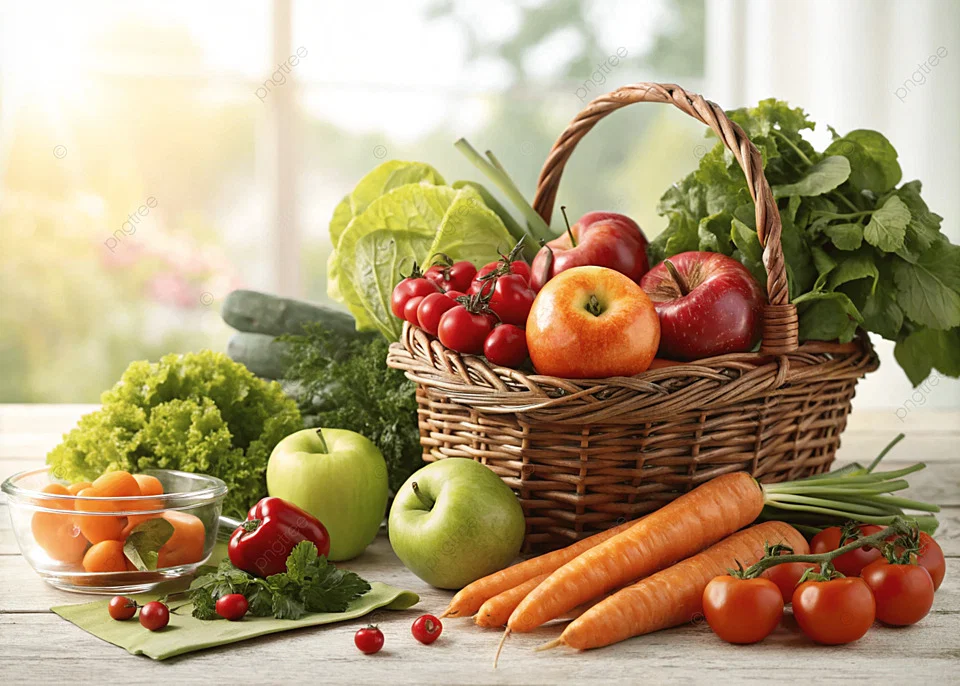
Fresh Fruits and Vegetables
Fresh fruits and vegetables are essential components of a balanced human diet, supplying vital vitamins, minerals, dietary fiber, antioxidants, and other bioactive compounds. Their quality and safety depend significantly on agricultural practices, environmental conditions, harvesting methods, and post-harvest handling.
Quality evaluation of fresh fruits and vegetables involves assessment of physical, chemical, and microbiological characteristics. Physical parameters include appearance, size, shape, color, firmness, freshness, and absence of visible defects such as bruising, decay, or pest infestation. Chemical parameters such as moisture content, total soluble solids (TSS), acidity, sugar profile, and nutrient composition are important indicators of maturity, taste, and shelf life.
Food safety is a major concern as many fruits and vegetables are consumed raw or with minimal processing. Common safety hazards include pesticide residues, heavy metals, nitrate content, mycotoxins, and microbial contamination by pathogens such as Escherichia coli, Salmonella spp., and Listeria monocytogenes. Regular laboratory testing is necessary to ensure compliance with food safety regulations and to protect public health.
Proper post-harvest management practices—such as hygienic handling, washing, sorting, grading, appropriate packaging, and controlled storage and transportation—play a crucial role in maintaining quality and reducing losses. Laboratory testing of fresh fruits and vegetables supports regulatory compliance with FSSAI, Codex Alimentarius, and other relevant standards, ensuring product safety, quality assurance, and consumer confidence.