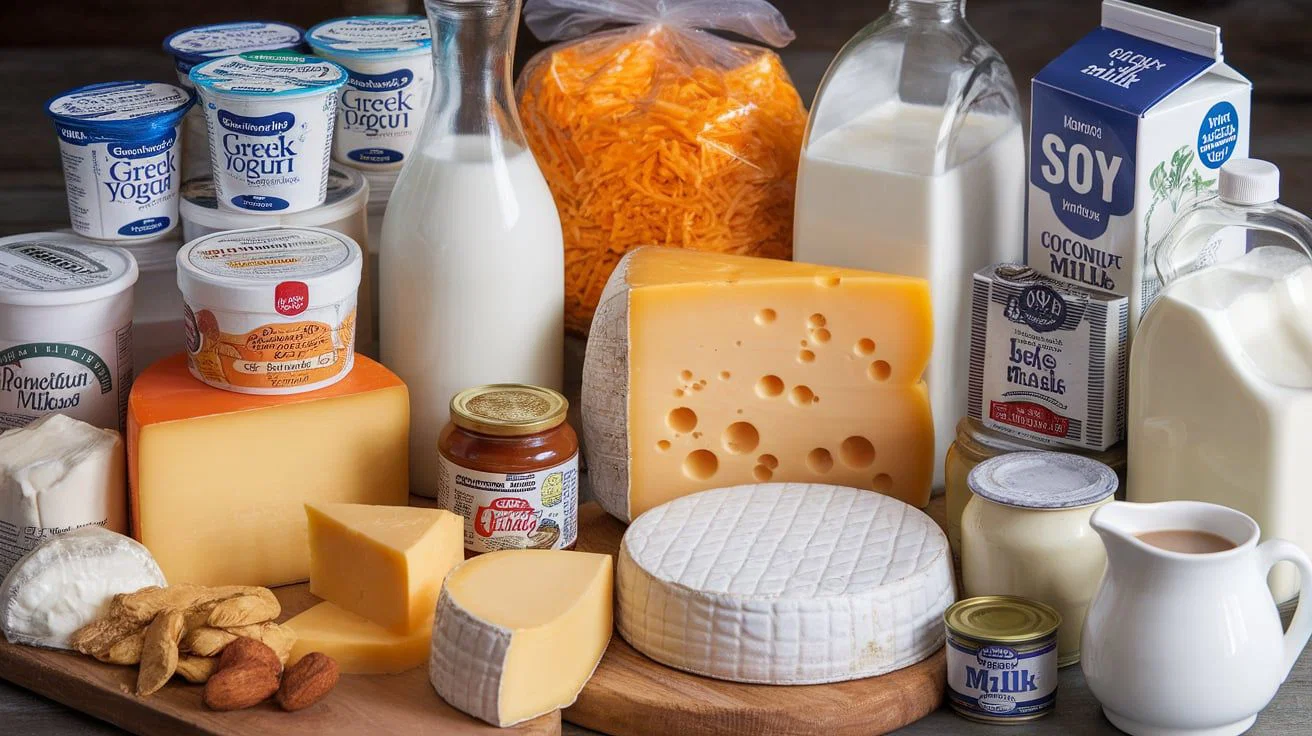
Milk and Milk Products
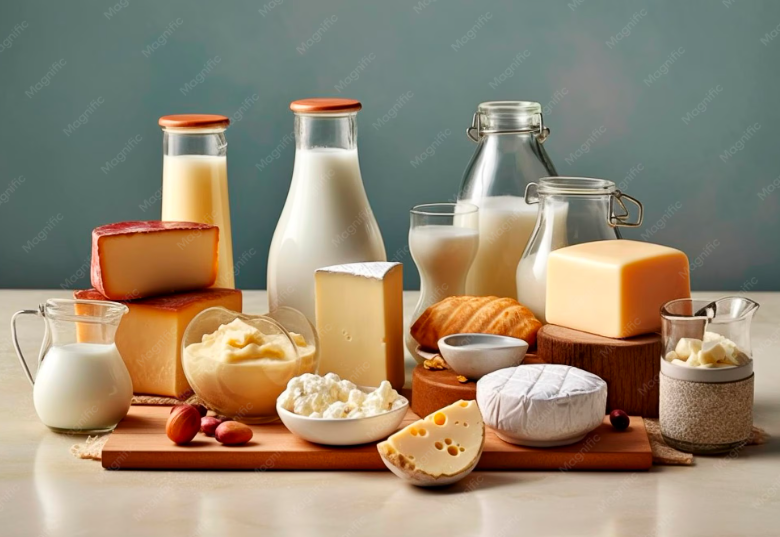
1. About Milk
Milk is a nutritious biological fluid containing proteins, fat, lactose, vitamins, and minerals. It is widely consumed and used as a raw material for various dairy products. Quality and safety evaluation is essential as per FSSAI, BIS, and Codex standards.
2. Composition of Cow Milk (Typical Values)
Water: 86–88%, Milk Fat: 3.0–4.5%, Protein: 3.0–3.5%, Lactose: 4.5–5.0%, Ash (Minerals): ~0.7%, SNF: 8.5–9.0%, pH: 6.6–6.8
3. Types of Market Milk (India – FSSAI)
Full Cream Milk – Fat ≥ 6.0%, SNF ≥ 9.0%
Standardized Milk – Fat ≥ 4.5%, SNF ≥ 8.5%
Toned Milk – Fat ≥ 3.0%, SNF ≥ 8.5%
Double Toned Milk – Fat ≥ 1.5%, SNF ≥ 9.0%
Skimmed Milk – Fat ≤ 0.5%, SNF ≥ 8.7%
4. Major Milk Products
Cream, Butter, Ghee, Paneer, Cheese, Curd (Dahi), Yogurt, Milk Powder (SMP/WMP), Ice Cream, Condensed Milk, Flavored Milk.
5. Quality Parameters
Physico-Chemical: Fat %, SNF %, Protein %, Lactose, Acidity, pH, Density (Lactometer), Moisture, Free Fatty Acids.
Microbiological: Total Plate Count, Coliform, E. coli, Salmonella, Yeast & Mold, Staphylococcus aureus.
Adulteration: Urea, Starch, Detergent, Neutralizers, Added Sugar, Added Water (Freezing Point).
6. Processing Technologies
Pasteurization (72°C/15 sec – HTST), UHT (135–150°C), Homogenization, Fermentation, Spray Drying.
7. Storage Conditions
Raw Milk: Below 4°C
Pasteurized Milk: 2–5°C
UHT Milk: Ambient (unopened)
Milk Powder: Cool & Dry (<25°C)